
My Story
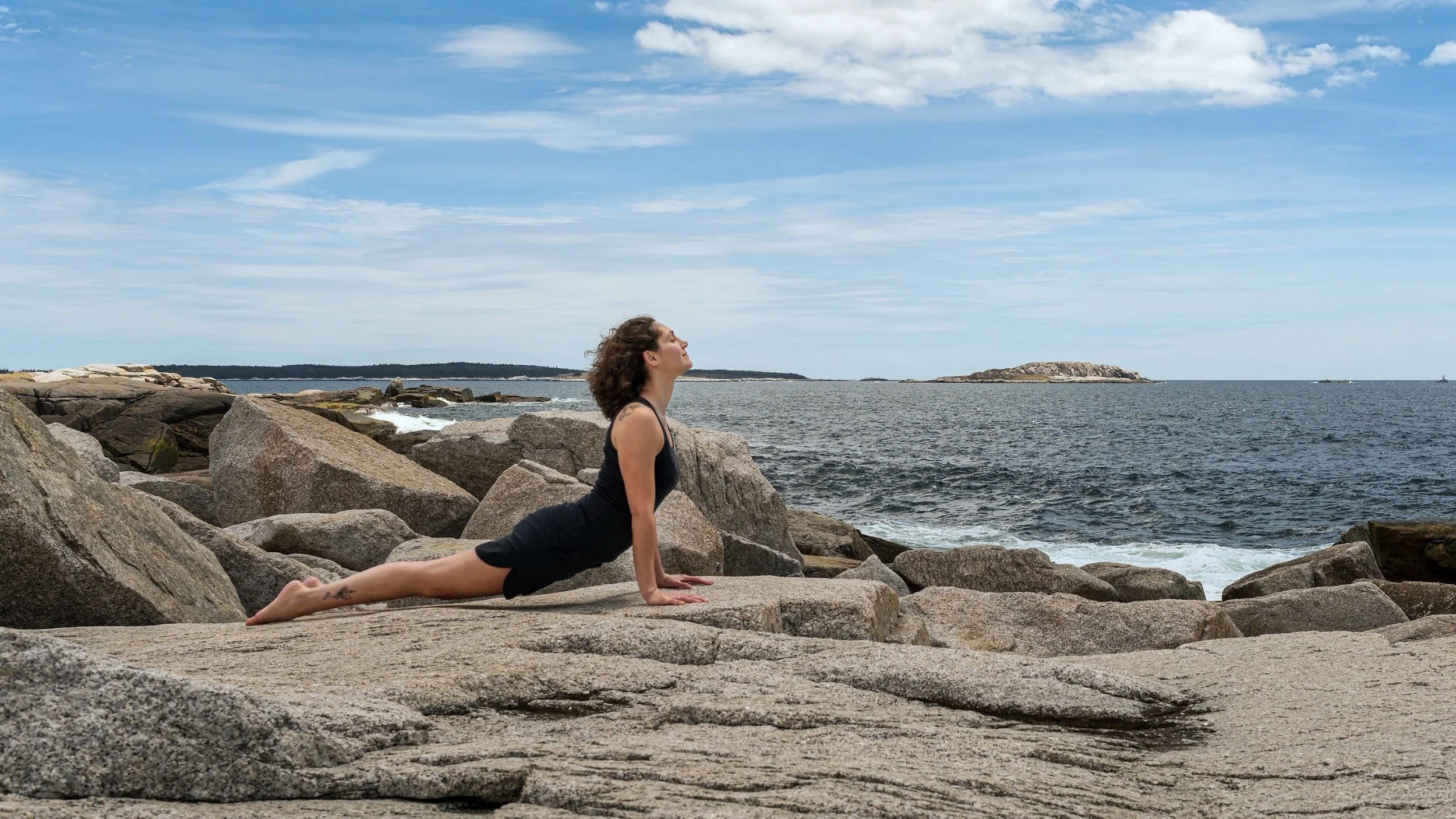
I started yoga because I wanted a workout. There was a class once a week in the gym of my condo building in Toronto, it was convenient, so I went. For a long time that was the whole reason. I wanted to get stronger and more flexible, and it worked.
What I didn't expect was what it did to my head. At some point I noticed I was leaving class quieter than I arrived, and that the quiet stayed with me for a while afterward. That's what got me curious about the parts of yoga that aren't the poses, and eventually into meditation and breathwork. Those turned out to be the tools I actually needed. They help with stress and anxiety, and beyond that they teach you to sit with your own thoughts long enough to find out what's in there. It's slower work than getting your heels to the floor, and less satisfying at first, but it's the part that changed things.
I still love the asanas. I love how a strong practice makes my body feel, and I teach that as much as I teach the quiet side. Coming to yoga for the physical isn't a lesser reason to start. It's how most of us get in the door, me included.

Who I Am
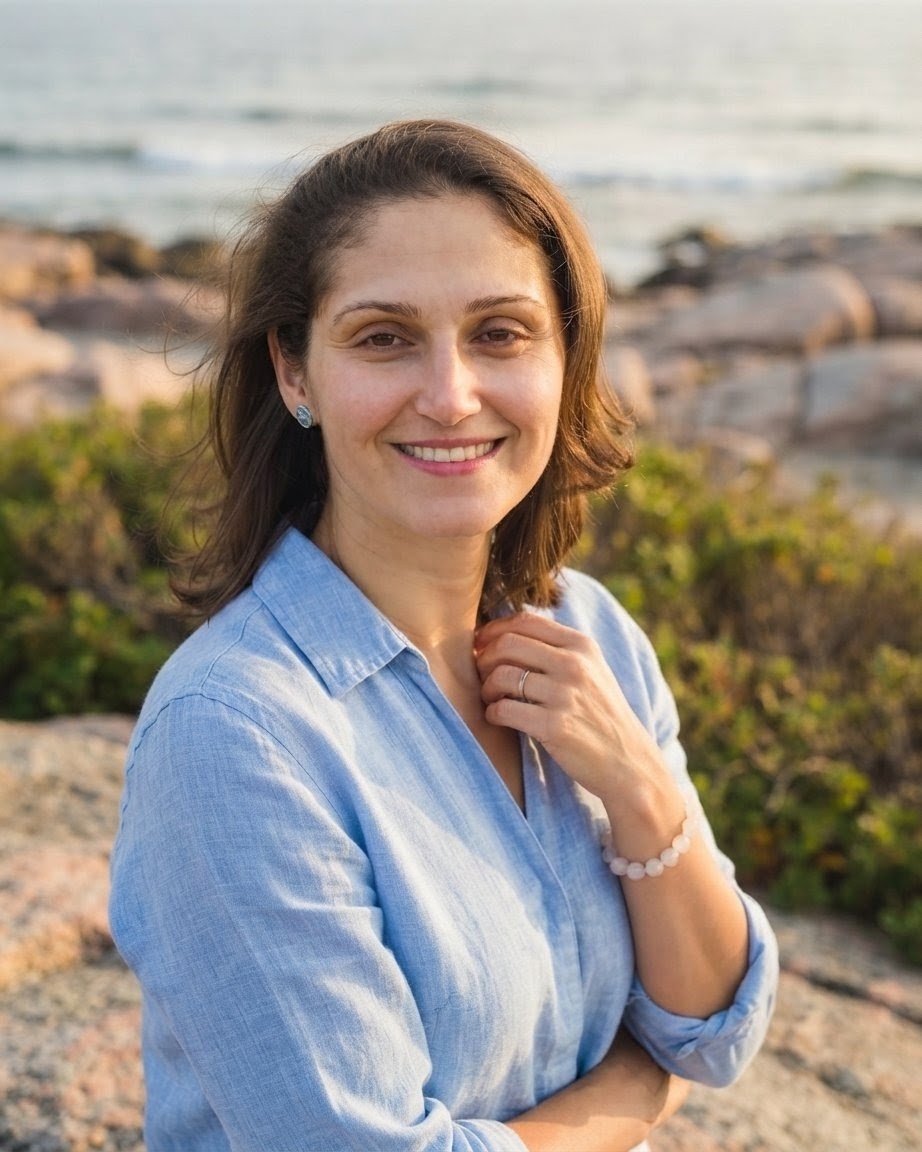
Leading software engineering teams is my full time job, forty hours a week and usually more. I worked hard for this career and I'm proud of it. Most of my day is spent reasoning through things that don't have an obvious answer. I'd rather have a hard problem than an easy day, and the job hands me plenty, so I'm not looking to escape any of it. It also keeps me in back to back meetings and in front of a screen, and it's very good at convincing me the day isn't over until one more thing is finished.
Work takes all the yang I have. Practice is the yin, and I need both. So do most of the people I teach.
Those who work nine to five or longer, and don't have hours a day for self care. So I try to make practice fit an actual schedule: online, so there's no commute, and short enough to do on a weeknight when you're already tired, or in the morning before the day starts. Some days you'll have an hour. Most days you'll have ten or twenty minutes, and that still counts. Rest is a skill, not a reward, and you shouldn't have to clear your calendar to get some.
How I teach
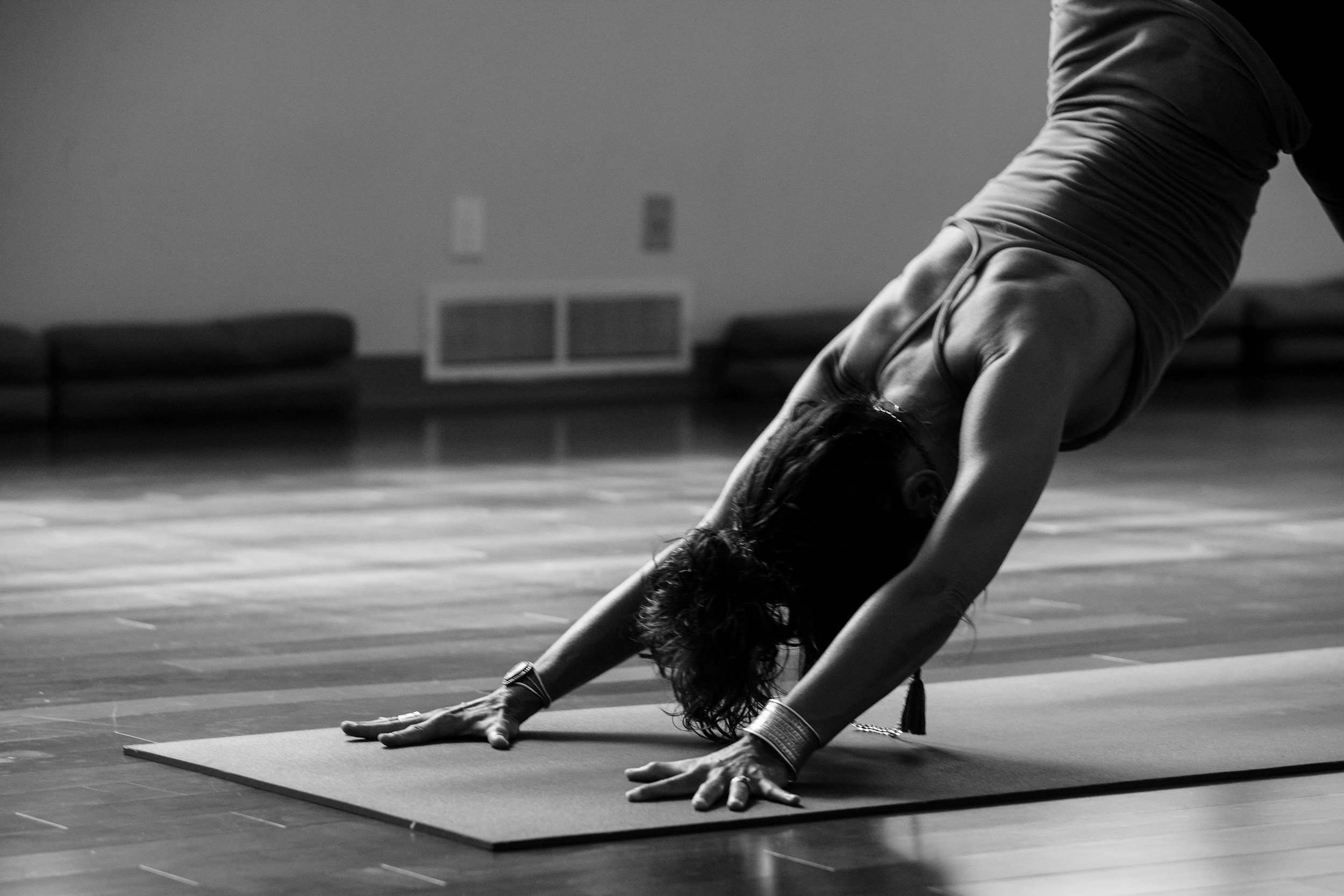
I teach Vinyasa and Hatha for days when you need to move, and Yin and mindfulness meditation for days when you need to stop. My classes are unhurried and practical: clear cues, room to modify, no performance. You don't need to be flexible, experienced, or calm to start. That's what the practice is for.
Training
I want to keep learning. There's always more to this than I know, and that's part of why I love it. I'm still a student, and I expect to be for as long as I teach.
200-hour yoga teacher training, Therapeutic Approach Yoga School, 2021
50-hour Yin Yoga teacher training, Shanti Yoga, 2021
50-hour Vinyasa Krama teacher training, Shanti Yoga, 2021
20-hour Yoga Nidra teacher training, Shanti Yoga, 2022
20-hour mindfulness and meditation certification, 2022
50-hour pranayama teacher training, 2024
50-hour chair yoga teacher training, 2024
17-hour meditation training, 2024
15-hour restorative yoga training, 2024
Mental health aware yoga teacher training, 2024
Breathwork training, 2025
Yoga for women's health, 2025
The art of theming yoga classes, 2025

If you teach too
I love teaching online. It's how most people can actually fit practice into their week, and it's where I spend most of my time.
I also love practising in person. Yoga retreats are one of my favourite ways to travel, and I've met some really good people on them. A week of practising with the same group is a different thing than a class, and it's the kind of teaching I want to do.
So if you teach and you want to collaborate on a workshop or a retreat, I'd love to hear from you. It doesn't have to be a finished plan. I'm happy to start with a conversation.