
What is Yoga?
Yogash chitta vritti nirodhah.
— Patanjali, Yoga Sutras 1.2
Yoga is the cessation of the fluctuations of the mind. That is the definition given in its foundational text, and it says nothing about the body.
The Yoga Sutras lay out eight limbs. The first two are conduct: how you treat other people, and how you treat yourself. Then posture. Then breath. Then withdrawing attention from what the senses keep reporting. The last three run into each other and are really one thing described in stages, settling attention on something, holding it there until it stops taking effort, and losing the sense of standing apart from it.
Posture is the third limb. Of the 195 verses in the whole text, three are about the yoga posture, and his only instruction is that it should be steady and comfortable.
Somewhere in the last century that balance inverted. The physical practice took on most of the name, particularly outside India, and today when someone says they do yoga they almost always mean the poses. There is nothing wrong with that. It is where I started, and it is where most people start.
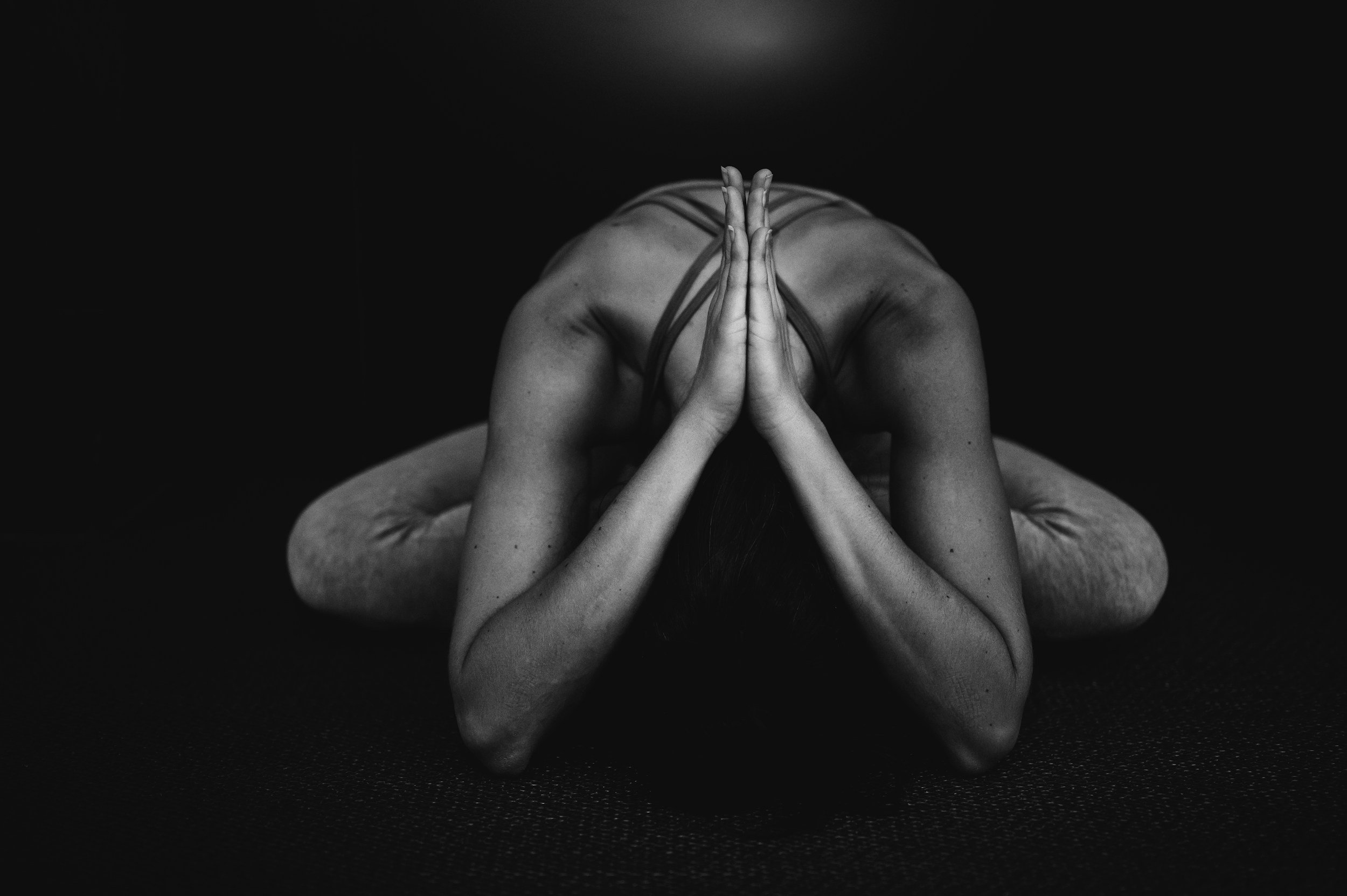
Sthira sukham asanam.
The posture is steady and comfortable.
— Patanjali, Yoga Sutras 2.46
Styles of Yoga
There are a lot of different styles of yoga. What separates one style from another is mostly pace, and how long you stay in a shape once you get there. None of them is the advanced version of another, and there is no order to work through. This is just so the names on a class schedule make sense. It's not a list of recommendations, and it isn't a complete list either. Kundalini, Bikram and plenty of others aren't here.
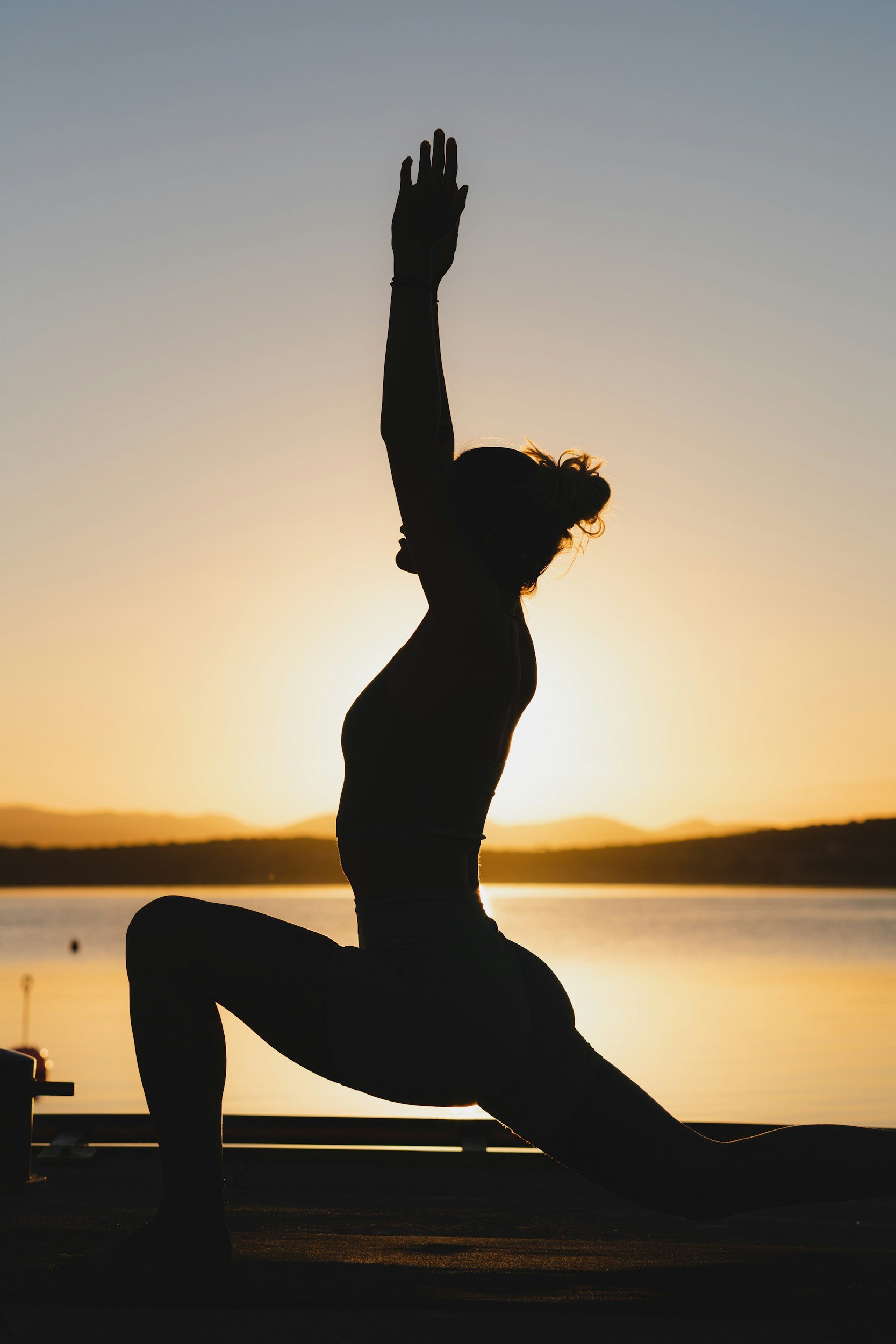
Ashtanga
A set sequence, practised in the same order every time, linked to the breath and physically demanding. In a Mysore-style room everyone moves through it at their own pace while the teacher works with individuals, rather than the class being led as a group. Because the sequence never changes, it becomes a way of measuring yourself against yourself instead of against the room. Traditionally it is a six-morning-a-week practice, which is part of why people either take to it completely or not at all.
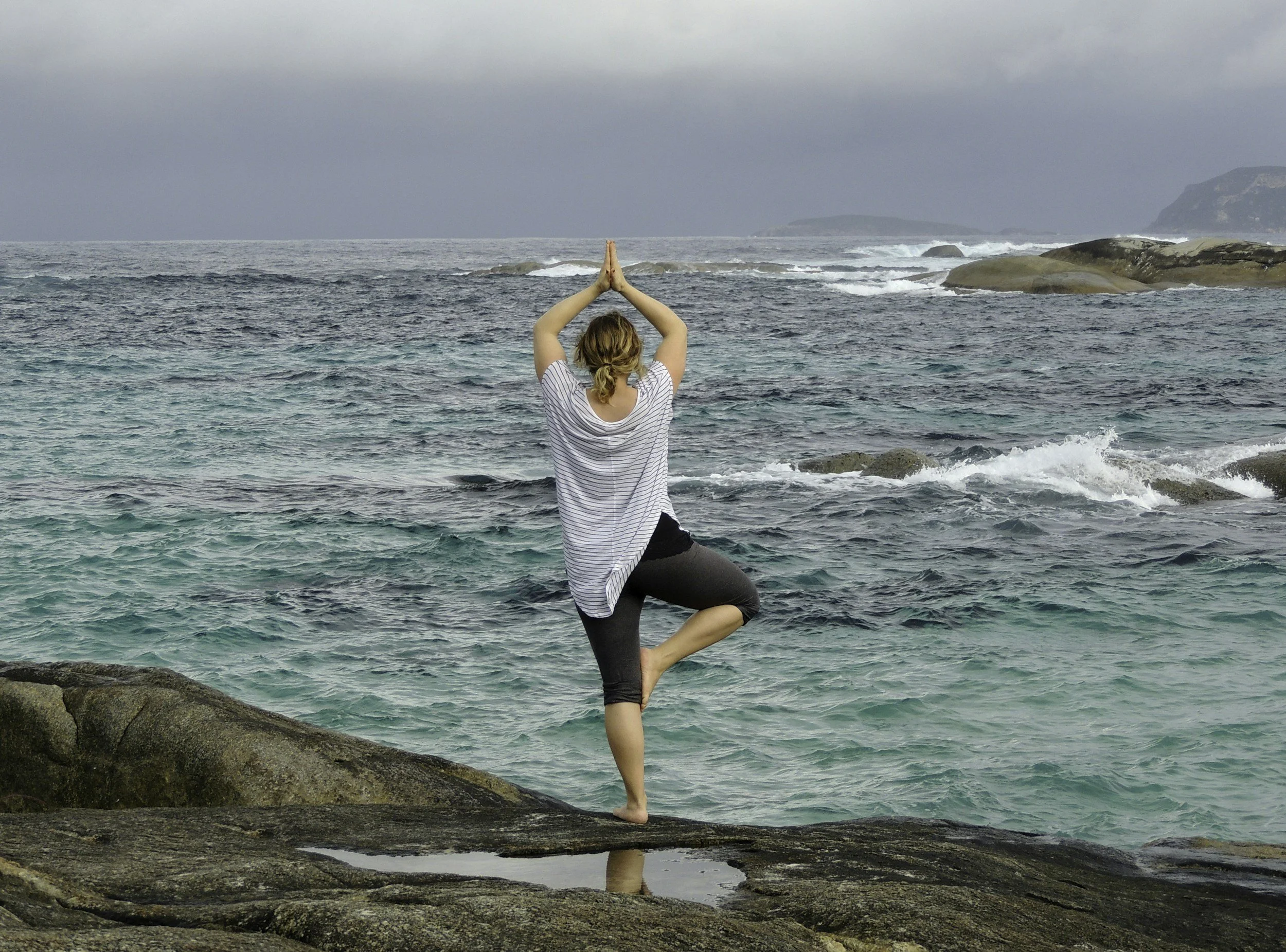
Hatha
Slower than flow. Postures are held for several breaths and entered one at a time, with instruction in between rather than a continuous rhythm. Strictly the word covers all physical yoga, so it means different things on different schedules, but on a class list it usually signals steady and instructional. The pace leaves room to hear what a cue actually means and to feel where a shape sits in your own body, which is why alignment tends to get learned in a class like this rather than a faster one.
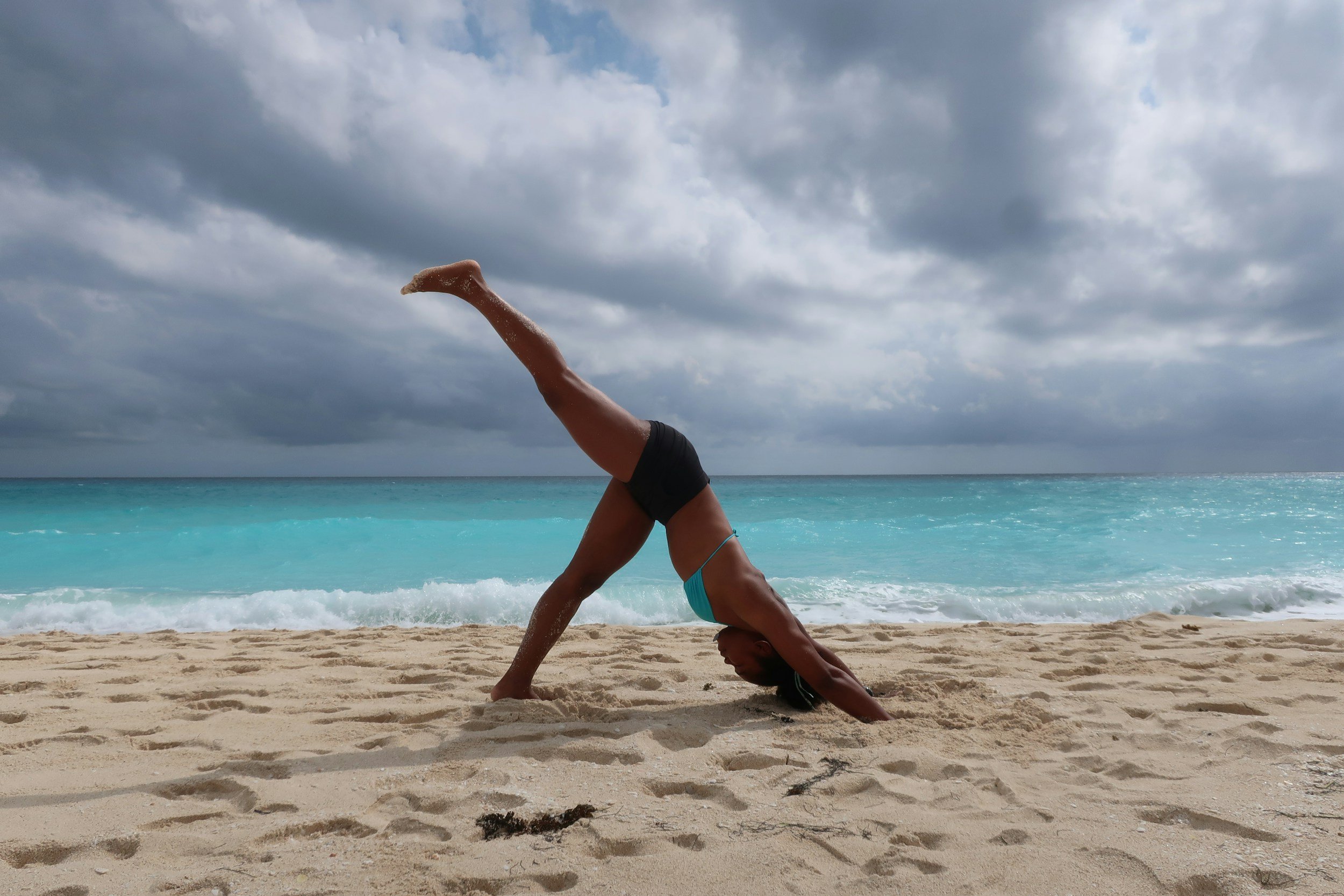
Vinyasa Flow
Movement linked to breath, one posture running into the next, so the class has a continuous rhythm instead of stopping and starting. It builds heat and asks for some strength and stamina, though how fast and how hard varies enormously between teachers. That rhythm is most of what the style does: following the breath from one shape to the next leaves the mind less room to wander, and a busy head tends to settle once the body is occupied. Most people finish warm, and calmer than they arrived.
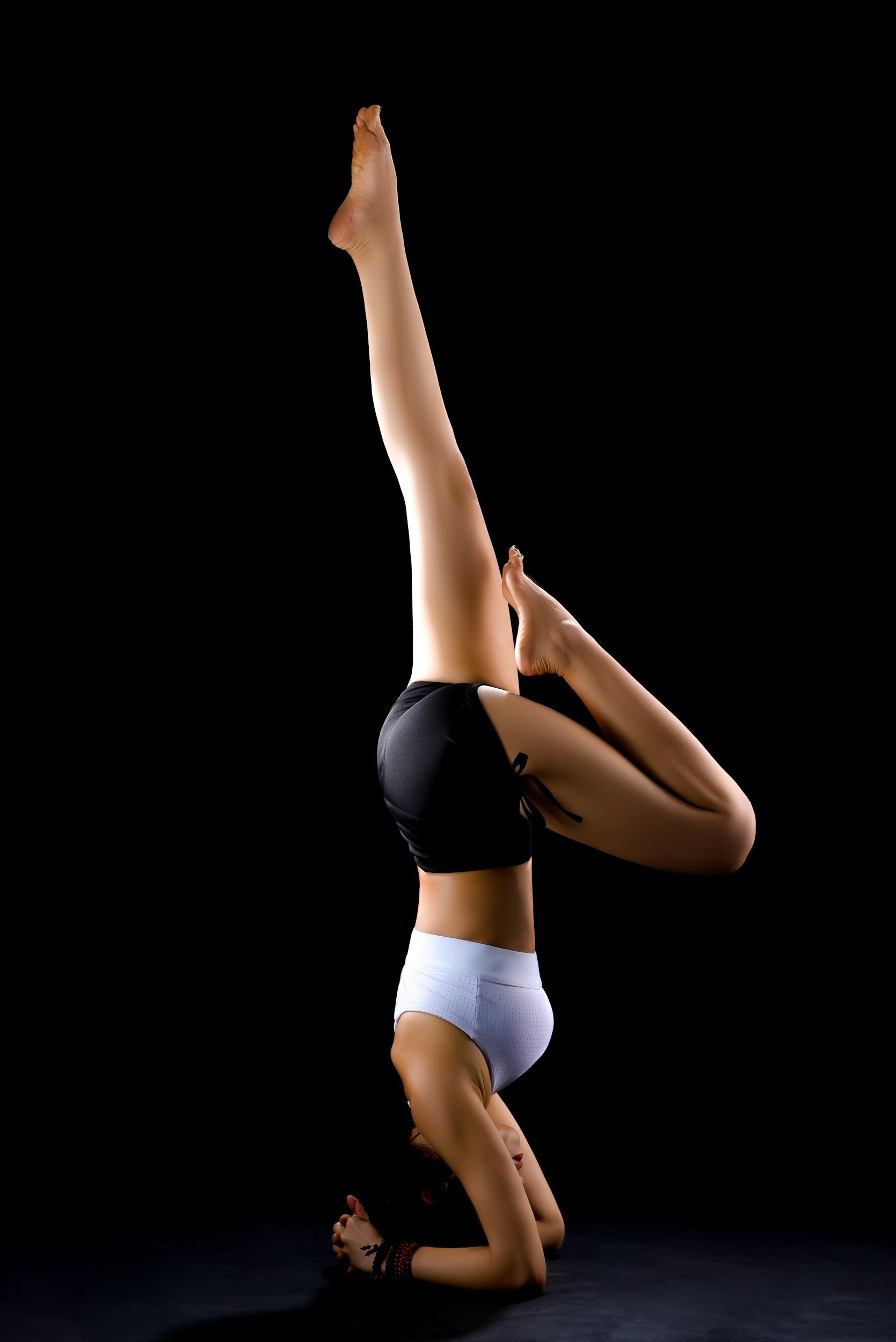
Hot Yoga
Practised in a room heated to somewhere near forty degrees, sometimes following a fixed sequence and sometimes a flow. The heat makes the body feel looser much faster than usual, which is pleasant and also worth treating carefully, since range you find in a hot room is not range you have built. What makes it hard has more to do with the conditions than with the poses. Sweating that much does not clear toxins from the body, whatever you may have been told; that is what the liver and kidneys are for.
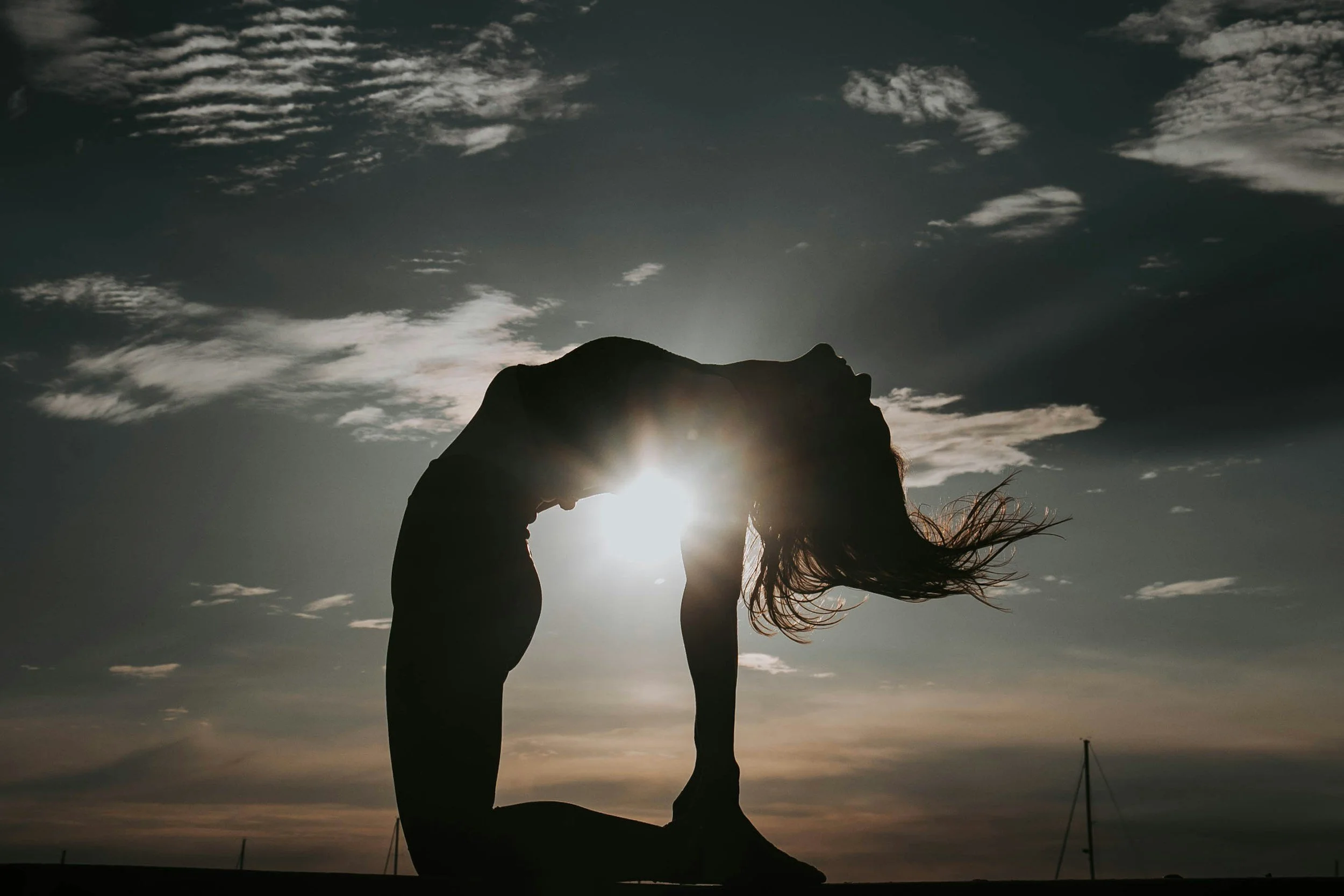
Iyengar
Built around precision. Poses are held while the details get adjusted, and props are used constantly so a shape can be met properly rather than approximated. Teacher training in this method is unusually long, which shows in how specific the instruction is. It is the style most often adapted for injuries and for particular bodies, and the one that will teach you the most about what a posture is actually asking of you.
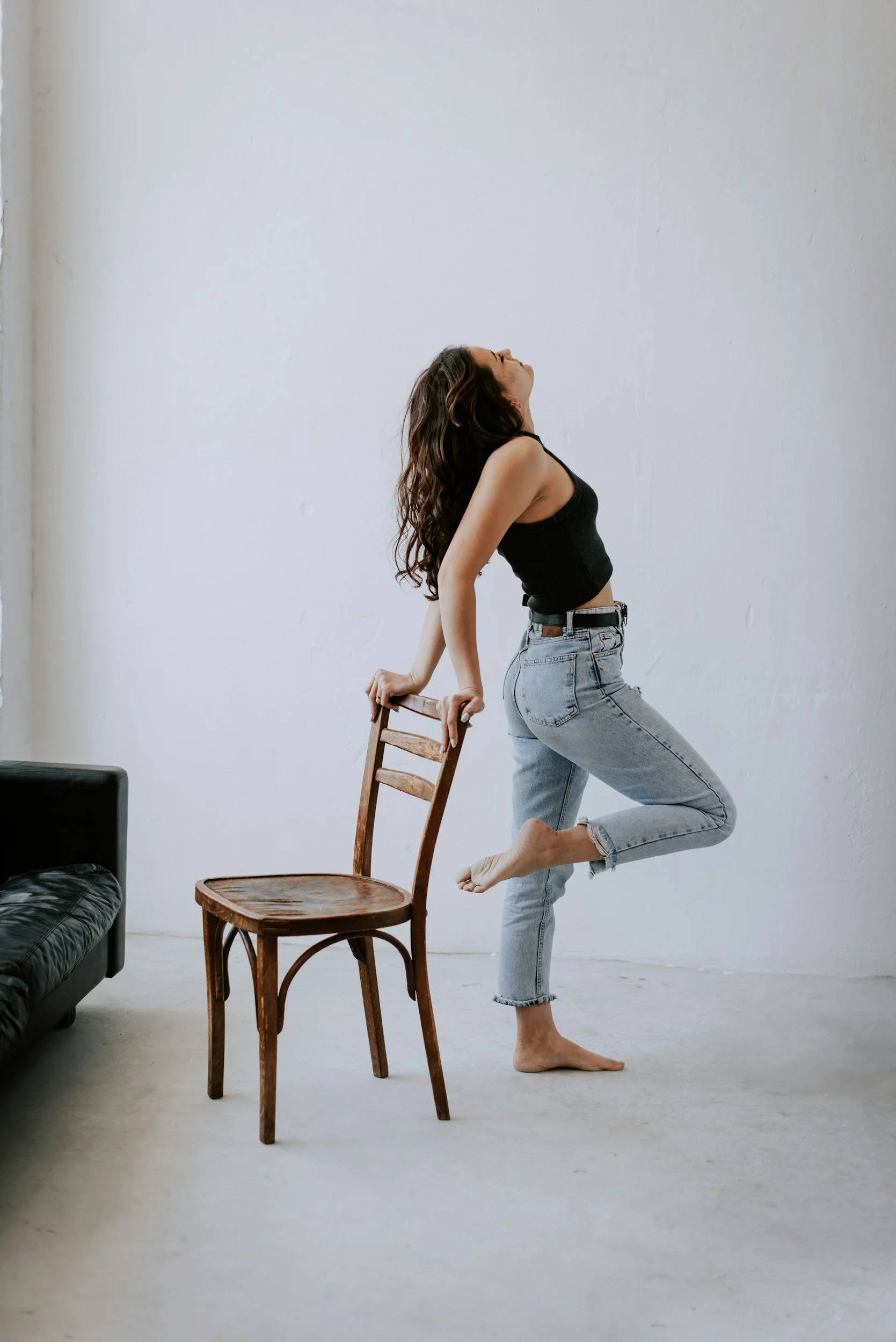
Chair Yoga
Everything happens seated, or standing with a chair for support. This is not a lesser version of a class, it is the same practice with the floor taken out of it, which makes it the one you can do at a desk between meetings. Getting up and down off the floor is the barrier for a lot of people, and removing it changes who can practise at all. It is also the best studied adaptation in yoga, mostly in older adults, where it comes out well for balance, mobility and joint pain.
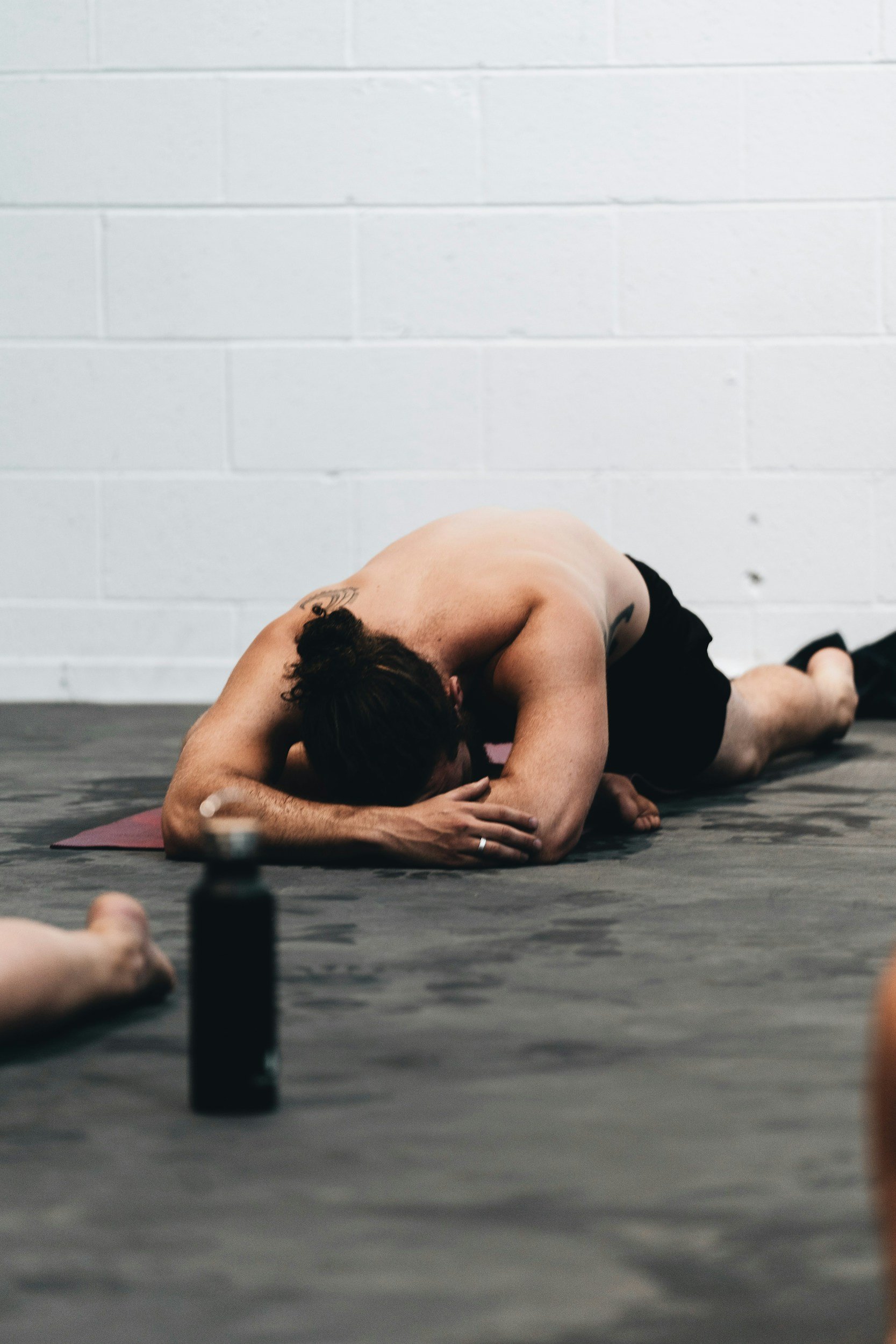
Yin
Floor postures held for two to five minutes, mostly seated or lying down, with props underneath you so the muscles around the joint can stay soft. Long holds load the deeper, slower tissue that quick stretching does not reach. They are also a long time alone with whatever you were already thinking about, which turns out to be most of the practice. Range of motion opens up over weeks rather than inside a single class, and the stillness tends to do more for a tired, wired mind than moving does.
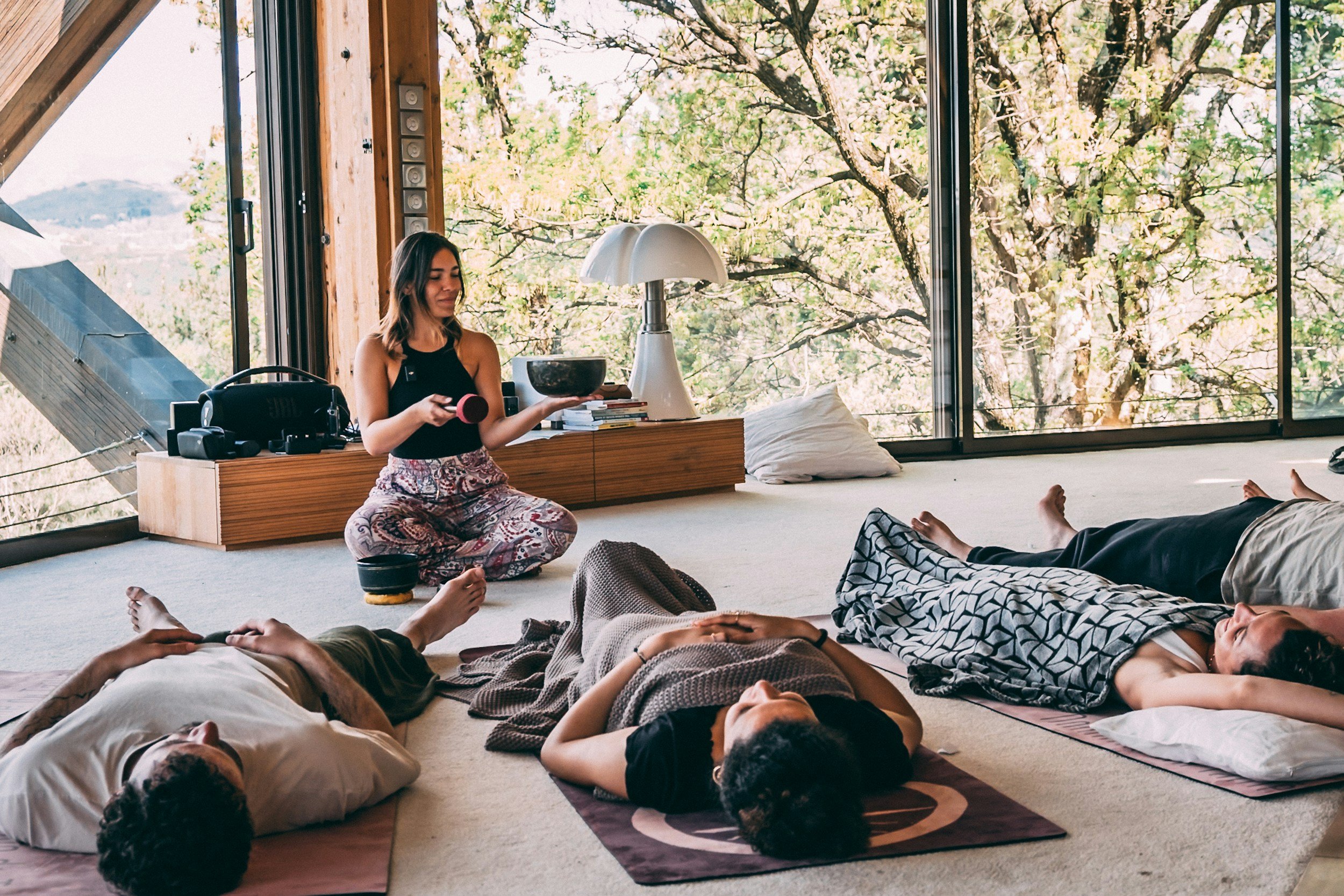
Restorative
Almost nothing happens. Four or five shapes across a whole class, each one propped with bolsters and blankets so the body is completely held and has nothing left to do. Where Yin looks for sensation and stays with it, restorative avoids it on purpose: if you can feel a stretch, something needs another blanket under it. Held that long with nothing to work at, the body tends to drop into a depth of rest it will not find on its own, and the hardest part for most people is allowing it.