Meditation, What’s the hype?
Meditation is attention resting on one thing without interruption. Patanjali puts it seventh of the eight limbs, after posture and after breath, and the order matters. It comes that late because steadying the body is easier than steadying the mind. What he's describing isn't emptying your head, which isn't a thing that happens. It's noticing your attention has wandered and bringing it back, again and again, and the bringing back is the practice.
Mindfulness is the secular version of this. In 1979 a scientist named Jon Kabat-Zinn borrowed these practices from Buddhism, left the religion behind, and taught them at a hospital in Massachusetts as an eight-week course for people living with chronic pain. He called it Mindfulness-Based Stress Reduction (MBSR). Almost every mindfulness course you'll come across now comes from that one.
Meditation offers powerful science-backed advantages for both body and mind. Five major benefits are reduced stress, less anxiety, better focus, improved self-awareness, and deeper sleep.
Here's how it works. Your brain has an alarm system called the amygdala, and it fires before you've had a thought. The prefrontal cortex at the front of your head decides whether that alarm is worth acting on. Meditation strengthens the line between them, which in practice means noticing you're upset a moment sooner.


If the ocean can calm itself, so can you. we are both salt water mixed with air.
— Nayyirah Waheed, salt.

5-4-3-2-1
Naming five things you can see, four you can feel, three you can hear, two you can smell, one you can taste. It comes from psychotherapy rather than from yoga, and it is the shortest thing on this page: a minute, eyes open, no mat, no setup. It works through the senses rather than the breath, which is why it still functions when you are too rattled to sit down. Good for panic, overwhelm, and the ten minutes before something you are dreading.

Walking
You sit, you follow the breath, and when you notice you have wandered off you come back. That is the whole instruction. Wandering is not a sign it is going badly, it is the thing you are practising with. Good for building a habit that sticks, because it needs no recording, no mat and no setup, and it survives travel, illness and a bad week.

Noting
As things come up you name them quietly, in one word. A thought arrives and you note "thinking"; a sound, "hearing". You do not follow any of it, you just name it and let it go. Naming takes some of the heat out of a thought, which is why this one works on the things you keep circling. Good for overthinkers, and for worry you cannot reason your way out of.
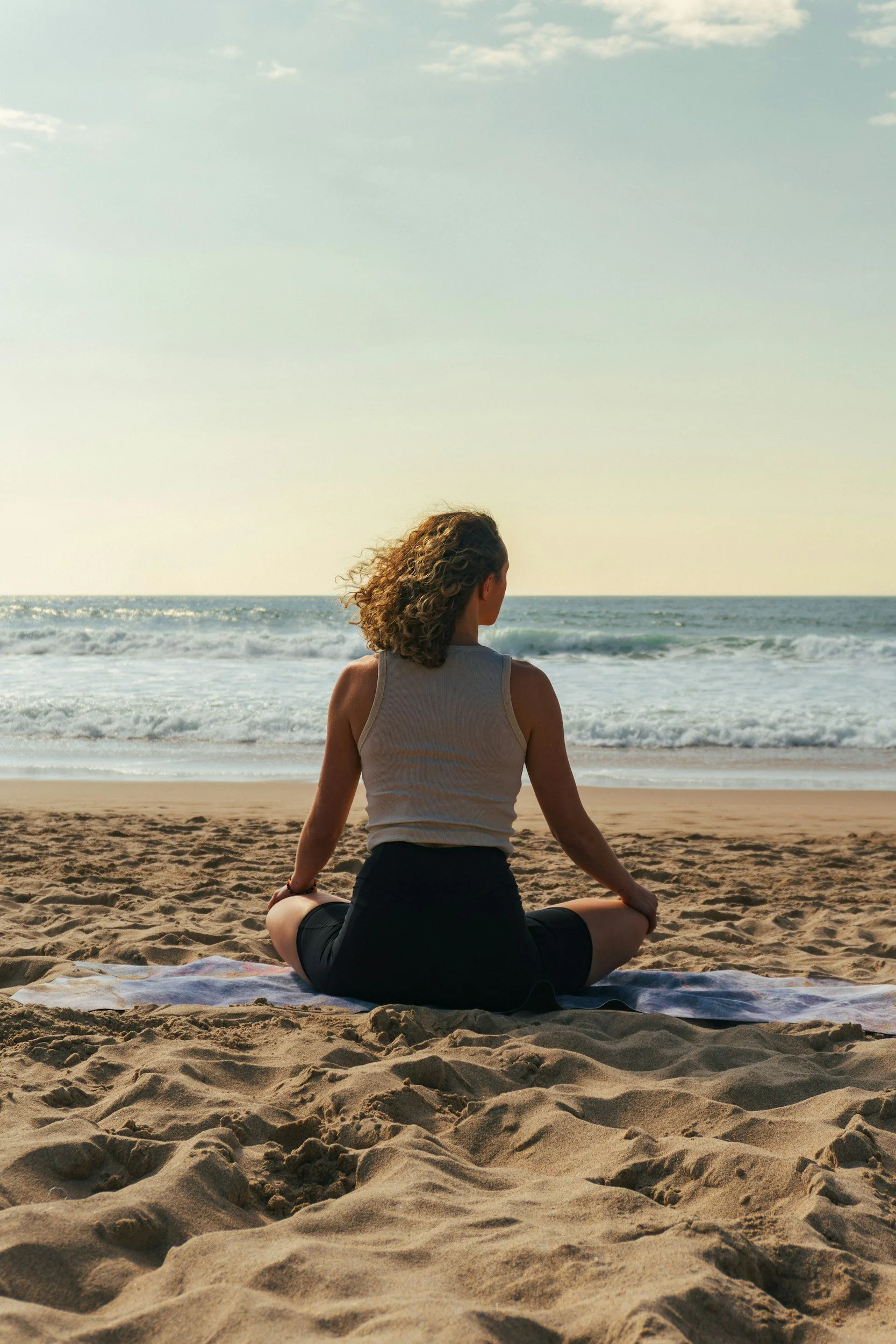
Awareness of breath
Slow, deliberate walking with attention on the soles of the feet and the mechanics of each step, usually back and forth along a short path rather than going anywhere. Eyes stay open, which makes it the easiest of these to do without anybody noticing. It exists because sitting still is not available to everyone and not tolerable to everyone. Good for restlessness, and for anyone whose body objects to sitting still.

Gratitude
You bring to mind specific things you are glad of and stay with each one long enough to actually feel it, rather than running a list. Specific beats general every time, so one person who phoned you beats being grateful for your family. It is close to loving-kindness but pointed backwards, at what has already happened rather than what you are wishing for. Good for the end-of-day spiral, and for noticing things you had started taking for granted.

Loving-kindness
You repeat a short set of phrases wishing someone well, starting with whoever is easiest and gradually including people you feel neutral about, then people you find difficult. It is the most openly sentimental thing in meditation and plenty of people find it uncomfortable at first, particularly the part where the person you are wishing well is yourself. The repetition is doing the work rather than the sincerity, so it still counts when it feels hollow. Good for self-criticism, and for resentment you are tired of carrying.

Mantra
A word or short phrase repeated over and over, with the repetition itself as the thing you come back to. It can be Sanskrit or an ordinary word, and what it means matters much less than people expect, because the sound is the anchor the way the breath is in other practices. It doesn't have to be silent: kirtan is mantra sung out loud, call and response, and Krishna Das is the person who brought it to most Western ears.
Good for anyone who finds watching the breath makes them self-conscious, and for a mind that would rather hold onto something than watch it.
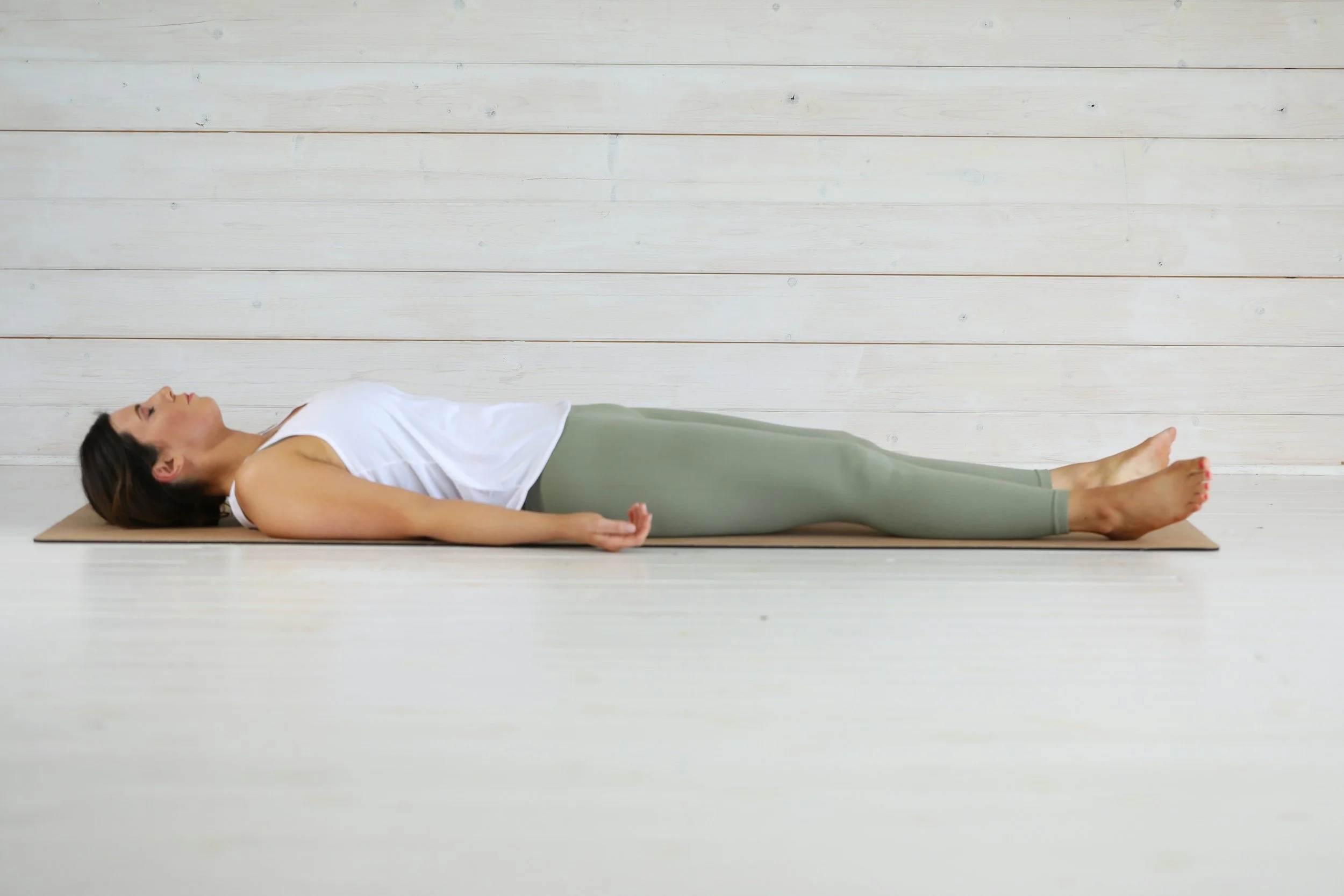
Body scan
Attention moves slowly through the body, part by part, noticing what is there without trying to fix it. It is usually the first meditation people are taught, because the body gives attention something concrete to rest on. Nothing is being corrected or relaxed on purpose, which is the part people find strange at first. Good for getting out of your head at the end of a day spent entirely in it, and for finding tension you had stopped noticing.

Affirmation
A short statement about yourself, repeated deliberately. This is the opposite of mantra: here the meaning is the entire point, and the words are chosen to shift something you believe. It works better when the statement is close enough to true that you don't argue with it, so "I am learning to do this" tends to land where "I am fearless" bounces off. Good for self-doubt, as long as the claims stay modest.
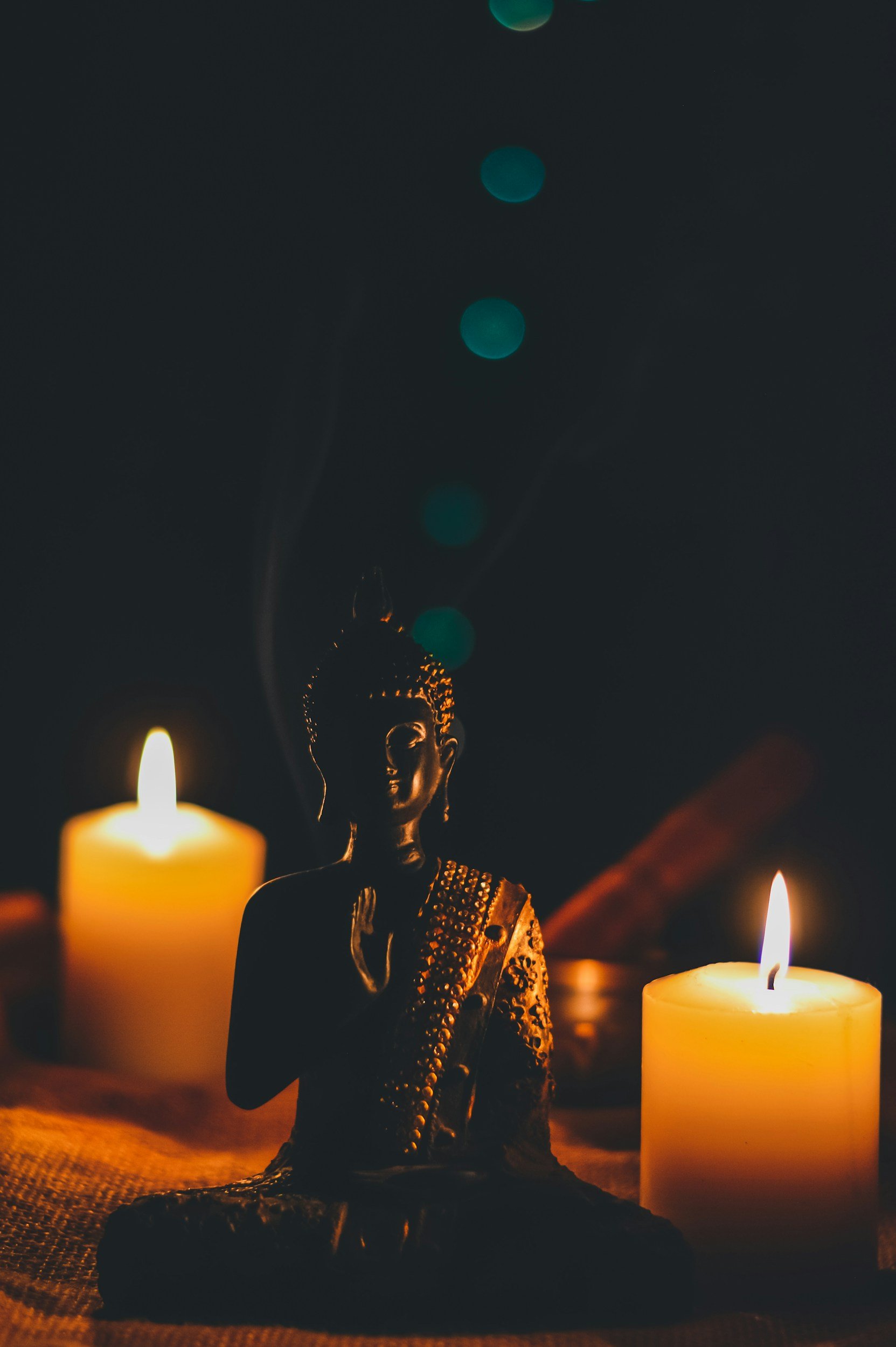
Yoga Nidra
A guided practice done lying down, usually twenty to forty minutes, where a voice moves your attention through the body in a set order and there is nothing to do but follow. It is often called yogic sleep, which describes where it puts you: awake enough to hear the voice, gone enough to lose track of the room. Falling asleep partway through is common and not a failure. Good for the kind of tired that cannot sleep, because it gives your attention somewhere to go rather than asking you to switch off.
I have lived with several Zen masters, all of them cats.
— Eckhart Tolle, The Power of Now